
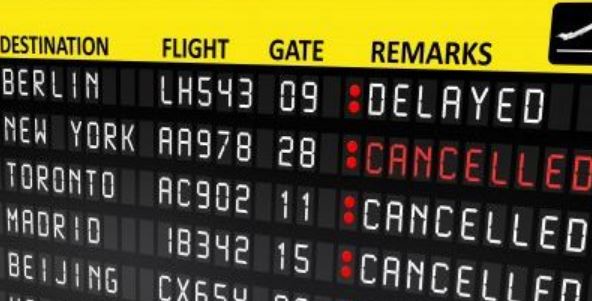
We wanted to provide some guidance for people who are concerned about travel to or near Iran following recent developments. Below is a summary explaining how travel cover applies and offering practical guidance for anyone currently in the region.
Government guidance
You should always follow official government advice first. Governments are responsible for issuing travel warnings, directing and coordinating evacuations if a life threatening situation develops. You should refer to – www.gov.uk/foreign-travel-advice.
.
Advice if you are currently abroad
If medical assistance is needed
For medical emergencies or immediate danger, you should contact the local emergency services first. After receiving support from the local authorities, please contact your insurer.
To help your insurer respond quickly, it’s useful if the caller can provide the following information:
•The name of the Insured and the policy number, if it’s to hand.
•The caller’s own name and a brief explanation of who they are.
•Their relationship to the caller and to the person who needs assistance. For example, this might be an employee who is a teacher accompanying a student.
•The name of the patient who requires help.
• A clear explanation of the type of assistance or support that is needed.
• The caller’s contact telephone number and email address so that we can reach them easily.
•Their current location.
•Any helpful local contact details, such as a doctor’s landline number or the name and contact information of the hospital.
Evacuation
Any evacuation support will depend on government advice and on whether airspace remains open.
Travel disruption
You are likely to experience disruption at this time. The first step should be to contact the airline. The airline would normally be responsible for arranging an alternative route to the intended destination without cost, provided that airspace is open and a reasonable route is available.
If you are advised to shelter in place, it’s likely that additional hotel or accommodation costs will be incurred. These should be documented. If you have travel insurance, they may consider reasonable non-recoverable costs.
Advice if you are planning a trip
Trips booked but not yet started
The first step should be to contact the travel arranger or the airline, as they would normally be responsible for arranging an alternative route to the intended destination without cost. They may offer a refund or a voucher. If you choose to proceed with the trip despite the Foreign, Commonwealth & Development Office (FCDO) warnings, insurance claims for travel costs are unlikely to be successful.
Medical covers and other applicable sections of an insurance policy will continue to apply, subject to terms, exclusions and conditions.
Future bookings
You should contact your travel arranger or the airline. Trips booked after 28 February 2026, once the conflict became public, were booked with awareness that disruption was present. Insurance claims to cancel or rearrange these trips are therefore unlikely to be successful. Medical and other policy benefits will continue to apply subject to the policy terms, conditions and exclusions.
We understand that situations like this can be unsettling for you, and we’re here to help guide. If you have questions about individual cases or need support discussing cover, please get in touch with your local office.