
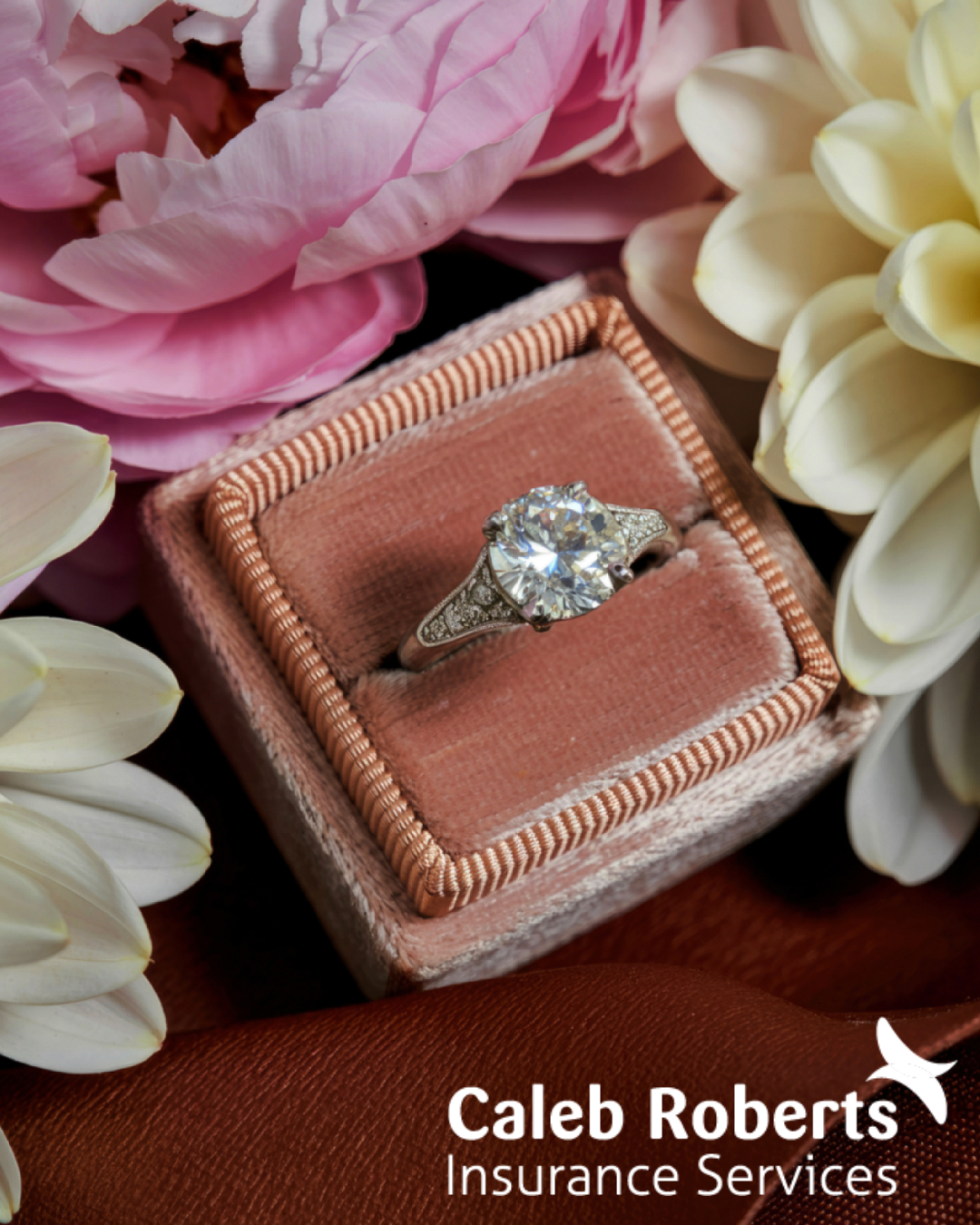
Arguably one of the most important pieces of jewellery you will ever own, your engagement ring isn’t just a ring – it’s a symbol of love between you and your partner. Losing or damaging such a significant and sentimental piece can be heartbreaking for the wearer, and it can also mean the loss of what is often a substantial financial outlay. According to a recent study by Aviva, claims for missing diamonds have increased by 33% – with engagement rings being heavily affected.
It’s not just rings either. Engagement jewellery has become increasingly popular in recent years, with 6% of engaged couples opting out of a traditional ring and choosing another piece of jewellery to reflect their lasting commitment.
Why have claims gone up?
Aviva notes that diamonds remain the most popular stone of choice for engagement jewellery, accounting for 63% of the data. However, people are increasingly opting for jewellery with multiple stones – which naturally increases the risk of one going missing.
Claims for engagement pieces are also closely linked to how often they’re worn. Unlike other jewellery that may be reserved for special occasions, engagement jewellery is typically worn every day and often kept on – knowingly or not – during everyday activities like gardening, washing the dishes or taking the dog for a walk. Because of this regular use and wear and tear, stones can gradually become loosened, making them more susceptible to being lost.
How to protect your engagement ring
Aviva encourages those who wear engagement jewellery to take extra precautions, including:
· Remove jewellery for everyday activities – like swimming, cleaning, gardening, exercising, etc
· Avoid unwanted attention – while it may be tempting, avoid posting your jewellery on social media and be mindful of wearing it in busy areas or when travelling
· Keep it secure – when you take your jewellery off, always put it in the same place, ideally in a high-quality safe
· Take care – avoid extreme temperatures and harsh chemicals when storing or cleaning your jewellery
I’ve lost my jewellery… what next?
If you’ve lost a piece of jewellery, the next steps will largely depend on your insurance. If the loss happened at home, it’s worth checking your home insurance policy, specifically your ‘single item limit’. This will tell you whether you’re able to make a claim. Most policies offer some compensation for a lost engagement piece inside the home, but only up to the single item limit. For example, if your jewellery is worth £10,000 but your limit is £3,000, you would only receive a maximum payout of £3,000.
If you lose your jewellery outside of your home – while travelling, for instance – your home insurance is unlikely to cover you unless this is explicitly stated in your policy. Travel insurance may offer a small payout, but this is very unlikely to reflect the true value of the jewellery.
For many higher-value jewellery pieces, the cost will exceed both single item and travel insurance limits. In this case, the only way to claim back the full value of your jewellery would be through specialised jewellery insurance. This type of cover can also protect your items worldwide, but it’s essential to check the policy wording carefully.[1]
What does specialised jewellery insurance cover?
Each policy will vary depending on your needs, but cover can include:
- Accidental damage and loss
- Theft and attempted theft
- Protection out of the home
- Like-for-like replacement
- Worldwide coverage
How Caleb Roberts can help
At Caleb Roberts, we’re here to give you peace of mind that if something were to happen to your most prized possessions, you’re covered with the right insurance in place. We can help you protect individual jewellery pieces, as well as offering tailored options for your home, car and travel plans. Want to know more? Contact us today 0333 004 1084
[1] What is engagement and wedding ring insurance? | MoneySuperMarket