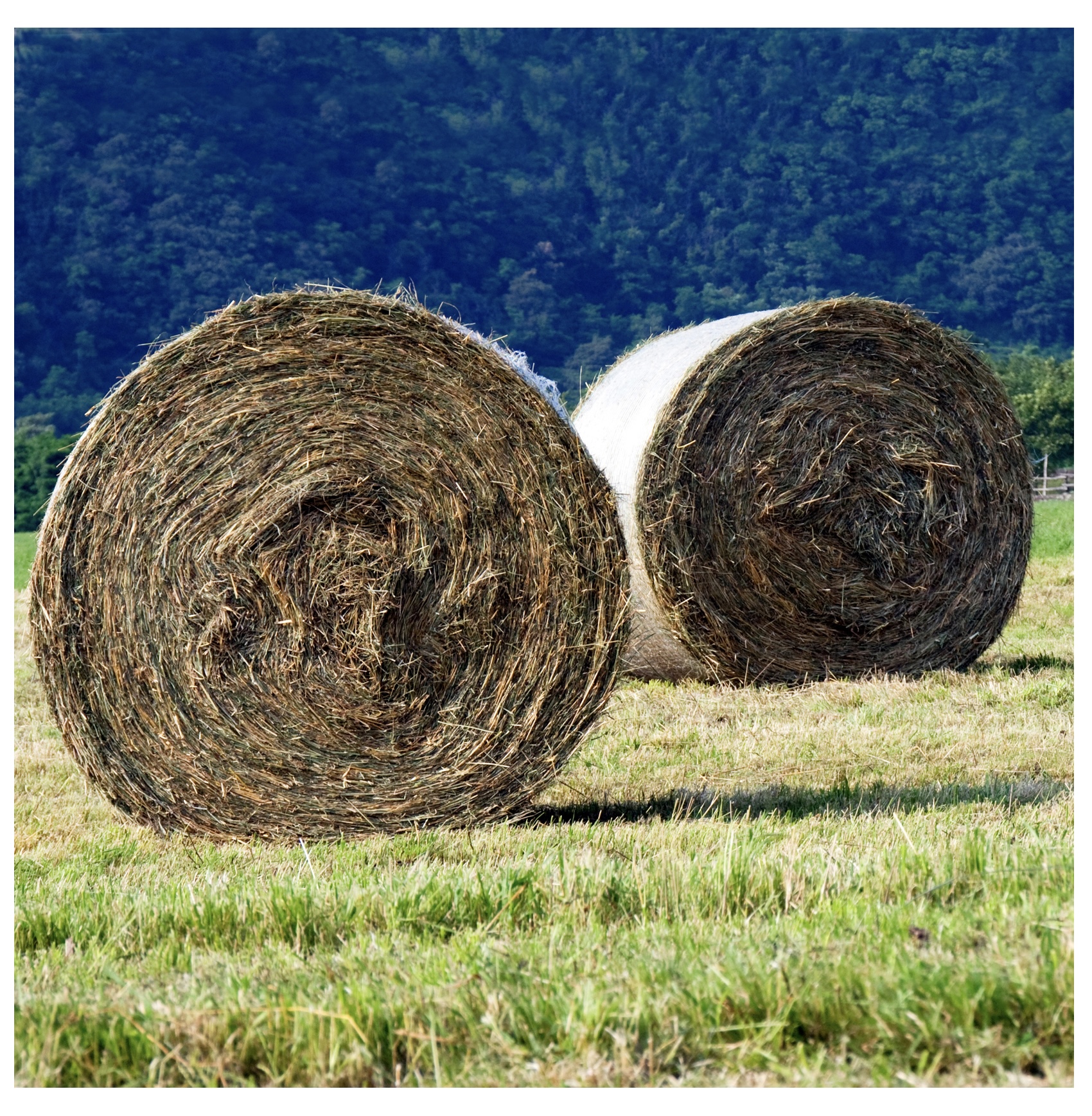
Rising hay and straw prices mean it is more important than ever to review your insurance cover
The cost of running an agricultural business continues to increase, and one area that can sometimes be overlooked when reviewing insurance cover is the value of hay and straw stocks.
With hay and straw prices rising, the amount you have insured may no longer be sufficient to replace your stocks following a fire or other insured loss. At the same time, your policy may contain specific limits on the amount of hay and straw that can be stored in a particular location or stack.
As agricultural insurance brokers, we strongly recommend that clients take a few minutes to review their current policy and make sure it continues to reflect their circumstances.
Don’t assume your existing sum insured is enough
When your agricultural policy was originally arranged, you may have estimated the value of your hay and straw based on typical market prices at the time.
However, if the cost of replacing those stocks has increased significantly, the figure shown on your policy may now be inadequate.
For example, if you previously insured £25,000 of hay and straw but the replacement cost has increased to £35,000, you could potentially find yourself underinsured by £10,000following a major loss.
It is therefore important to consider the maximum value you could have stored at any one time, rather than simply the average value of your stocks.
Remember that the cost of replacement following a loss could be considerably higher than the price you originally paid to produce or purchase the hay or straw.
Pay particular attention to stack limits
One area we believe deserves special attention is the stack limit contained within many policies.
Agricultural insurance policies will often include conditions or limits relating to the quantity or value of hay and straw (also at times other combustible agricultural items and produce) stored in a particular stack, building or location.
For example, your policy may provide cover for £40,000 of hay and straw but also contain a condition that limits the amount that can be stored in a particular stack or location.
This distinction is important.
Having sufficient overall cover does not necessarily mean that you have sufficient cover for every individual stack or location.
If the value of a particular stack exceeds the policy’s stated limit, there could be a significant shortfall in the event of a claim.
Consider this scenario
Imagine you have £50,000 worth of hay and straw insured under your agricultural policy.
However, if your policy contains a £25,000 limit for any one stack or location, storing £35,000 of hay and straw in one stack could leave you exposed to a potential shortfall.
This is why it is essential to understand not just how much stock you have insured, but also where it is stored and what limits apply to each location or stack, there are often requirements around how close a stack can be positioned to others.
What should you check?
We recommend reviewing the following:
1. The current replacement value of your hay and straw
Check current market prices and consider what it would cost to replace your entire stock following a major loss, the same applies to all produce.
2. The maximum amount you could have stored
Don’t base your sum insured solely on the amount you normally have. Consider your peak stock levels, particularly following harvest or when buying additional supplies.
3. Individual stack limits
Check your policy for any limits applying to an individual stack, building, yard or location.
4. Distance between stacks
Some policies may contain specific requirements concerning the separation of stacks. Moving or consolidating stacks could therefore have insurance implications.
5. Changes to storage arrangements
If you have changed where you store hay or straw, added a new building, or started storing stocks at another location, tell your insurer or broker.
What happens if you are underinsured?
Underinsurance can have serious financial consequences.
Depending on the wording of your policy, the average clausemay apply where the sum insured is less than the actual value at risk. This can mean that a claim is reduced proportionately.
For example, if you have £60,000 of hay and straw but only insured this for £30,000 (underinsuring by 50%), lets say you had a fire and lost £20,000 of straw in a stack, you wouldn’t be paid the full £20,000 – in this scenario you’d only be paid £10,000 (50% of the true loss given the 50% underinsurance).
The precise position will depend on your individual policy wording, so it is important to check the terms rather than assume how a claim would be settled.
Don’t forget about the rest of your agricultural business
Hay and straw are only part of the picture.
When reviewing your agricultural insurance, it is worth considering whether the values of your:
- Farm buildings
- Machinery and tractors
- Livestock
- Tools and equipment
- Agricultural produce
- Business interruption cover – this is often the best way of insuring your produce and deadstock, as well as the consequential loss
are still adequate.
Building and machinery replacement costs can also increase significantly over time, meaning that sums insured that were adequate a few years ago may no longer provide sufficient protection.
A simple review could prevent an expensive surprise
The best time to discover that your insurance cover is insufficient is before a loss occurs.
We appreciate that agricultural businesses are busy, particularly around harvest time, but taking a few minutes to review your policy could make a significant difference if the worst happens.
If hay and straw prices have increased since your policy was arranged, or you are storing larger quantities than previously, please speak to us before the next renewal rather than waiting until a claim occurs.
We can review your policy with you, check the sums insured and, importantly, look at any stack, location or storage limitsthat could affect your cover.
Our advice
Don’t simply ask, “How much hay and straw do I have insured?”
Ask:
“What is the maximum value I could have at any one time, where is it stored, and what limits does my policy place on each stack or location?”
With the value of hay and straw continuing to move, making sure your agricultural insurance reflects today’s replacement costs could save you from a significant financial shortfall when you need your insurance most.
Feel free to speak to your local Caleb Roberts office or usual point of contact to check on your cover, or if you currently insure your farm business elsewhere and don’t think you’re getting the best advice, cover and service then speak to us and we’ll be delighted to help.